
Gallery
Helpful Insights on HVAC Repairs, Costs, and Preventive Care
Gallery
Helpful Insights on HVAC Repairs, Costs, and Preventive Care
Do expensive furnace filters make a difference
Do expensive furnace filters make a difference
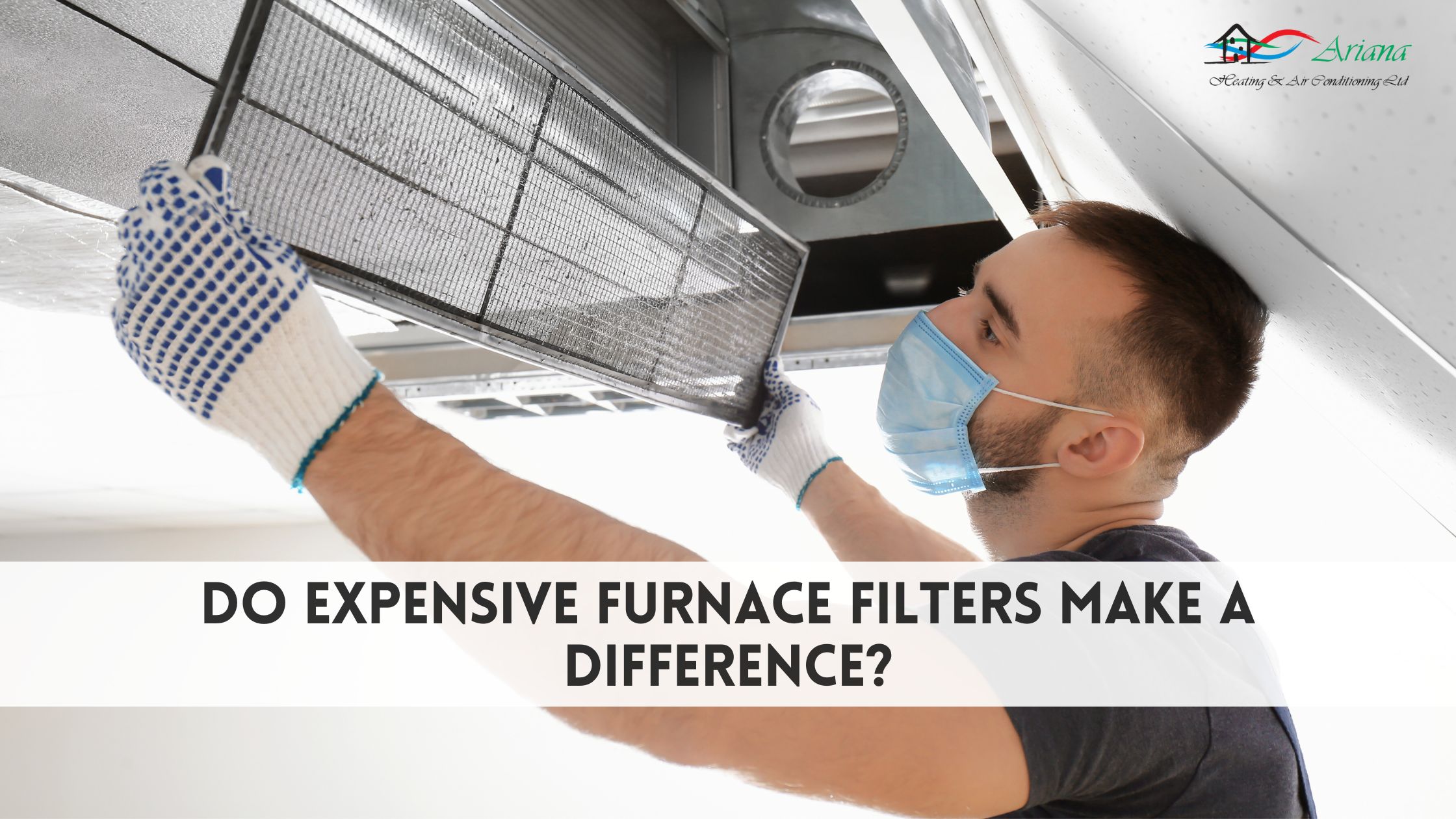
When it comes to maintaining your HVAC system, one of the most crucial components is the furnace filter. Regularly replacing and choosing the right filter is essential for ensuring optimal performance and air quality in your home. However, many homeowners wonder: Do expensive furnace filters make a difference? With a wide variety of filters available, it can be difficult to know whether spending more on a high-end filter is worth it. In this article, we’ll explore the key differences between cheap and expensive furnace filters, their impact on air quality, energy efficiency, and system longevity, helping you make an informed decision for your HVAC needs.
Why Furnace Filters Matters?
A furnace filter plays a crucial role in keeping your home’s air clean, your HVAC system efficient, and your indoor air quality at its best. The air filter helps trap dust, allergens, and debris, preventing buildup that can strain your furnace and increase energy use. Choosing the right air filter ensures your system performs reliably while meeting your home’s specific needs—whether you want cleaner air, fewer allergens, or better airflow. Maintaining a clean filter also supports consistent heating, reduces wear on components, and promotes a healthier indoor environment for your family.
Do Expensive Furnace Filters Make a Difference?
Yes, higher-quality furnace filters can make a noticeable impact on indoor comfort and system performance. Premium filters use better materials that trap finer particles such as dust, pollen, dander, and smoke, helping you breathe easier and enjoy cleaner indoor air. These filters also help maintain consistent airflow, which can improve airflow throughout your home and reduce strain on your furnace. By capturing more contaminants, an upgraded filter helps your HVAC system run more efficiently, lowering energy waste and minimizing wear on key components. This can extend equipment lifespan while keeping your home cleaner and healthier. Although they cost more upfront, expensive filters often require fewer changes and provide better overall protection, making them a smart investment for households with allergies, pets, or high dust levels.
The Pros & Cons of Expensive Furnace Filters
Pros
Premium filters trap more particles, including fine dust, allergens, and smoke for cleaner indoor air.
Higher-quality materials can improve HVAC system performance by reducing debris buildup.
A higher Minimum Efficiency Reporting Value (MERV) provides better filtration for sensitive homes.
Better air filtration can reduce dust, helping your home stay cleaner for longer.
Enhanced filtration supports healthier breathing for families with asthma, allergies, or pets.
Cons
High-MERV filters can restrict airflow and lead to higher energy bills if not replaced regularly.
Some older furnaces may struggle with high-efficiency filters, affecting HVAC system andimprove performance.
Premium filters need consistent monitoring to avoid airflow issues or furnace strain.
The upfront cost is higher, especially for homes requiring frequent replacements.
Using the wrong MERV rating may negatively impact airflow and overall system efficiency.
Who Should Consider Premium Filters? Common Use Cases
Premium furnace filters are ideal for households that need new filters more often and want better protection, comfort, and cleaner indoor air quality year-round.
Homes with Allergies, Pets, or Sensitive Occupants
Premium filters help reduce allergens, pet dander, and fine particles, improving indoor air quality for sensitive individuals. These new filters capture smaller contaminants, making air filters are worth the investment for families dealing with asthma, allergies, or frequent respiratory irritation.
Homes with High Air Pollution or Dust
If you live near heavy traffic, construction, or dusty environments, high-efficiency filters can capture pollutants before they circulate indoors. These new filters minimize dust buildup, control odors, and maintain cleaner air, proving air filters are worth it for high-pollution areas.
Older or Less Sealed Homes
Older or drafty homes allow more dust, moisture and heat fluctuations, and outdoor particles to enter. Premium new filters help stabilize indoor air quality, reduce contaminant levels, and protect the furnace, showing why air filters are worth it for aging or poorly sealed properties.
How Often Should You Replace or Clean Them?
Furnace filters should typically be replaced every 1–3 months, depending on your home’s needs, filter type, and air quality. High-efficiency filters that capture smaller particles may need more frequent attention to keep airflow steady and performance high. Regular replacement helps your HVAC system and improve its efficiency by reducing strain and preventing dust buildup. Clean, effective filters also support healthier indoor air, directly enhancing the air you breathe each day. Homes with pets, allergies, or high dust may require more frequent changes to maintain comfort and system reliability.
Final Words
So, do expensive furnace filters make a difference? Choosing the right furnace filter can have a significant impact on your home's air quality, energy efficiency, and HVAC system longevity. While cheap furnace filters may be tempting due to their lower upfront cost, expensive filters offer numerous benefits, including better filtration, improved air quality, and increased energy savings.
High-quality filters, such as HEPA filters, can effectively trap allergens, bacteria, and fine particles, making them an ideal choice for households with respiratory conditions or allergies. Neglecting to change your furnace filter regularly can lead to reduced airflow, increased energy costs, and potential damage to your HVAC system. By investing in a premium filter and maintaining it properly, you ensure your HVAC system runs efficiently, while also improving the air quality in your home. Regular filter replacement is a simple yet crucial step in maintaining a healthier, more comfortable living environment.
Frequently Asked Questions
Does a high-quality filter reduce HVAC maintenance needs and costs?
Yes, quality filters help protect your HVAC system by reducing debris buildup, lowering wear and tear, and minimizing unnecessary service calls.
When should you NOT use a high-efficiency filter?
Avoid higher MERV filters in older systems with weak airflow, as these filters typically restrict air and may strain equipment.
What MERV rating is recommended for a typical home?
Most homes benefit from MERV 8–12, offering strong filtration without stressing the system or increasing wear and tear.
Do expensive furnace filters really improve indoor air quality?
Yes, an expensive air filter captures finer particles, helping protect your HVAC system and improving household air quality with consistent performance.






Copyright © 2025 Ariana Heating & Air Conditioning Ltd. All rights reserved.