
FAQ
Helpful Insights on HVAC Repairs, Costs, and Preventive Care
FAQs
Helpful Insights on HVAC Repairs, Costs, and Preventive Care
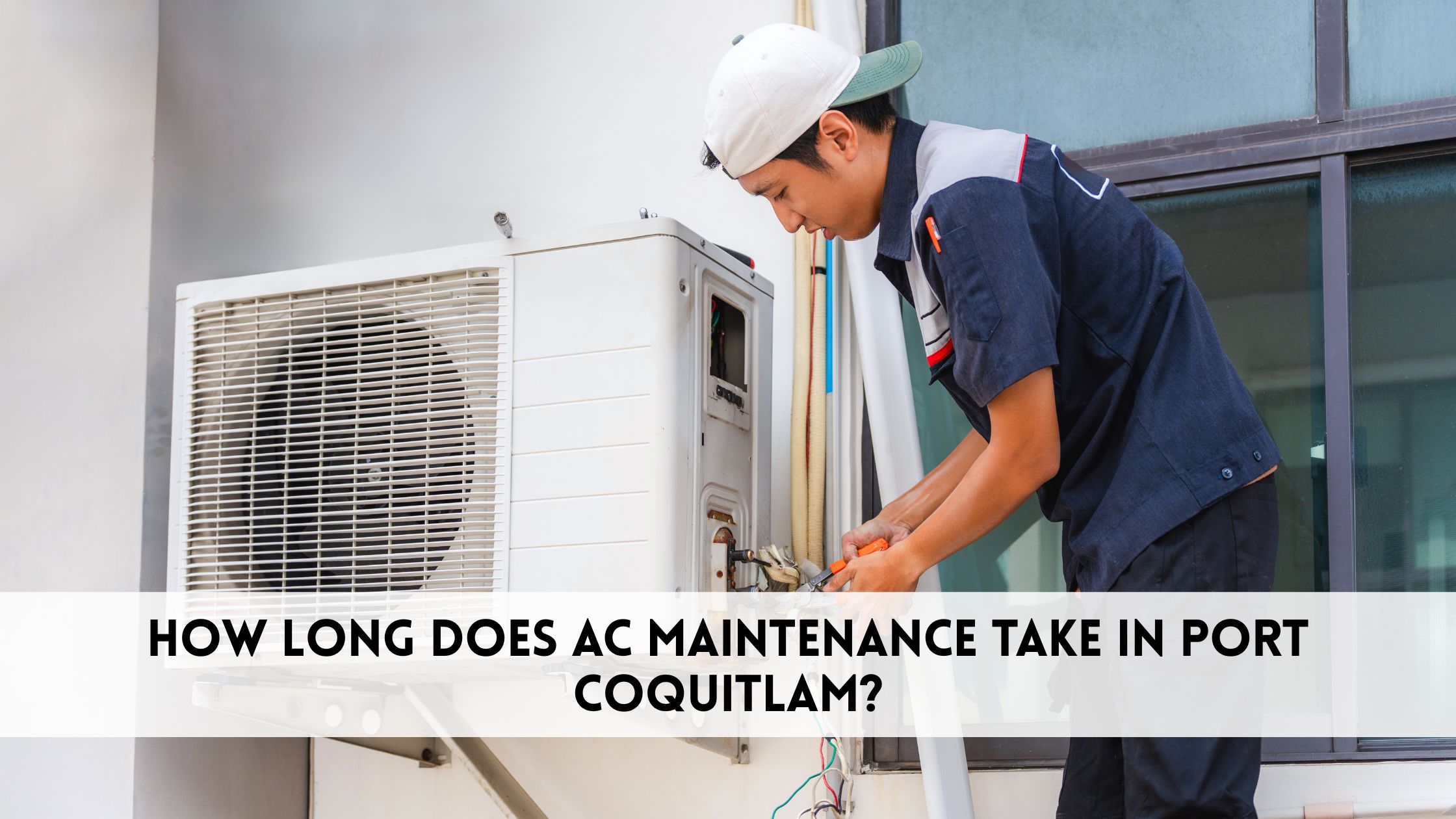
How long does ac maintenance take in Port Coquitlam?
Many homeowners wonder how long does AC maintenance takes before booking a seasonal service appointment. Air conditioner maintenance is an important part of keeping a cooling system efficient, reliable, and prepared for warmer temperatures. A standard maintenance visit usually includes inspecting electrical components, cleaning coils, checking refrigerant levels, replacing or cleaning filters, and testing overall system performance. The total service time can vary depending on the age, condition, and size of the unit, along with whether repairs are required during the inspection. In Port Coquitlam, regular maintenance helps homeowners reduce breakdown risks and maintain consistent indoor comfort throughout the cooling season.
Average Time Required for AC Maintenance
Professional AC maintenance takes longer when systems have excessive dirt buildup, cooling issues, or neglected components. Regular seasonal servicing helps reduce appointment times while improving overall cooling efficiency and system reliability.
Maintenance usually includes cleaning coils, checking refrigerant levels, inspecting air filters, testing airflow, examining electrical components, and evaluating overall system performance. Technicians also inspect drain lines and thermostat settings to ensure the air conditioner operates efficiently. Regular servicing helps improve cooling performance, reduce energy costs, prevent breakdowns, and extend the lifespan of the AC system.
Benefits of Professional AC Maintenance for Homeowners
Maintaining the AC helps homeowners improve cooling efficiency, reduce repair costs, and maintain reliable indoor comfort throughout the year.
Improves air conditioner energy efficiency and lowers monthly utility bills
Helps prevent unexpected AC breakdowns during hot weather
Extends the lifespan of the HVAC system with regular servicing
Improves indoor airflow and overall cooling performance
Identifies small AC problems before costly repairs develop
Supports consistent home comfort with reliable air conditioning operation
Why Regular AC Maintenance Usually Takes Less Time?
Air conditioning systems that receive routine servicing are usually quicker and easier to inspect because technicians spend less time dealing with heavy dust buildup, blocked airflow, or worn components. Clean coils, properly functioning parts, and stable cooling performance allow HVAC professionals to complete maintenance more efficiently. Regular care also helps reduce the common AC problems that may require extra diagnostics or repairs during an appointment. Homeowners who schedule seasonal air conditioner servicing often experience improved system reliability, better indoor comfort, lower operating costs, and shorter maintenance visits compared to systems that have been neglected for long periods.
Signs Your AC Maintenance Appointment May Take Longer
Certain warning signs may indicate that a professional visit could require additional time. If the system has noticeable cooling problems or has not been serviced recently, technicians may need to perform deeper inspections and additional cleaning procedures.
Weak airflow from vents may indicate clogged filters, blocked ducts, or internal airflow restrictions
Unusual noises from the AC unit can signal worn components or mechanical performance issues
Water leaks around the system may point to blocked drain lines or moisture buildup problems
Poor cooling performance often requires additional HVAC inspection and system testing
Higher energy bills can indicate reduced air conditioner efficiency or hidden operational concerns
Is Same-Day AC Maintenance Available?
Many companies offer same-day AC maintenance appointments depending on technician availability and seasonal demand. During peak summer periods, appointment schedules can become busier as homeowners prepare their cooling systems for rising temperatures. Booking maintenance early in the season often provides more flexible scheduling options.
Same-day service may be available for homeowners experiencing reduced cooling performance, unusual system behavior, or urgent maintenance concerns. However, availability can vary depending on workload and weather conditions. Professional HVAC companies typically recommend scheduling preventive maintenance before summer begins to avoid delays and reduce the risk of unexpected breakdowns when cooling systems are needed most.
Final Words
Understanding how long does AC maintenance take can help homeowners plan seasonal HVAC service more effectively and avoid unexpected cooling problems during warmer months. Most air conditioner maintenance appointments are completed within a reasonable timeframe, although older systems or units with performance concerns may require additional inspection and cleaning.
Routine servicing helps improve cooling efficiency, maintain consistent airflow, reduce operating costs, and support longer equipment lifespan. Scheduling regular maintenance also allows technicians to identify small issues before they turn into expensive repairs. Keeping the system clean and inspected throughout the year can help ensure indoor comfort and dependable air conditioning performance when temperatures rise.
Frequently Asked Questions
1. How often should an air conditioner be professionally serviced?
An inspection and tune-up should usually be scheduled once every year to support efficient cooling, cleaner airflow, and reliable system operation.
2. How long does AC maintenance take for most homes?
Most residential systems can be inspected and cleaned within 60 to 90 minutes, depending on equipment condition, accessibility, and overall cooling performance.
3. Can regular servicing help lower electricity costs?
Yes, clean coils, proper airflow, and efficient system operation can reduce energy usage and help homeowners manage monthly cooling expenses more effectively.
4. What problems can develop if servicing is delayed?
Ignoring routine care may lead to reduced airflow, uneven cooling, unusual noises, higher utility bills, and increased chances of unexpected system breakdowns.

Frequently Asked Questions
Need Help? Find Quick Answers to Common HVAC Concerns
Q: Do I Need to Cover My Heat Pump in the Winter?
No, covering your heat pump during winter is not recommended. These units are designed to operate in all weather conditions, and covering them can restrict airflow and cause moisture buildup, potentially damaging the system.
Q: How Can I Find the Unit Size That Matches My House?
Determining the appropriate HVAC unit size depends on factors like your home’s square footage, insulation quality, number of windows, and more. A detailed load calculation by professionals can help identify the right unit size for optimal comfort and efficiency.
Q: Is It Safe to Plant Shrubs or Flowers Around an Outdoor Unit?
While landscaping can enhance aesthetics, it’s important to maintain at least a two-foot clearance around the outdoor unit to ensure proper airflow and ease of maintenance. Regular trimming is advised, especially in areas with rapid vegetation growth.
Q: Should a Thermostat Be Set to the “Auto” or “On” Position?
Setting the thermostat to “Auto” is generally recommended for energy efficiency, as the fan operates only when heating or cooling is needed. However, the “On” setting can provide continuous air circulation, which may be preferred for consistent airflow and filtration.
Q: What Do Rating Numbers Mean?
HVAC systems have efficiency ratings like SEER (Seasonal Energy Efficiency Ratio) for air conditioners and heat pumps, and AFUE (Annual Fuel Utilization Efficiency) for furnaces. Higher ratings indicate better energy efficiency, leading to cost savings and environmental benefits.
Q: What Does AFUE Stand For?
AFUE stands for Annual Fuel Utilization Efficiency, representing the percentage of fuel converted into usable heat by a furnace. A higher AFUE rating signifies a more efficient furnace.
Q: What Is the Difference Between a Split System and a Package Unit?
A split system consists of separate indoor and outdoor units, commonly used in residential settings. A package unit combines both components into a single outdoor unit, often used in commercial applications or homes with limited indoor space.
Q: What Does SEER Stand For?
SEER stands for Seasonal Energy Efficiency Ratio, measuring the efficiency of air conditioners and heat pumps. A higher SEER rating indicates greater energy efficiency.
Q: What Is HSPF?
HSPF stands for Heating Seasonal Performance Factor, assessing the efficiency of heat pumps in heating mode. A higher HSPF rating denotes better energy efficiency.
Q: When Replacing an Outdoor Unit, Do I Need to Replace the Indoor Unit Too?
It’s advisable to replace both units simultaneously to ensure compatibility and optimal efficiency, as mismatched components can lead to performance issues.
Q: Who Do I Contact for Heating and Cooling Products and Services?
For comprehensive HVAC services, you can contact Ariana Heating & Air Conditioning Ltd at (778) 861-7120 or via email at [email protected].
Furnace and Heating Systems FAQs
Q: How Can I Know When It Is Time to Replace My System?
Indicators include the system’s age (typically 15-20 years), frequent repairs, rising energy bills, and inconsistent heating. A professional assessment can determine if replacement is more cost-effective than repairs.
Q: How Long Does It Take to Install a System?
Installation time varies based on system type, accessibility, and additional ductwork requirements. Generally, it can range from a few hours to a couple of days.
Q: How Often Do I Need to Replace the Furnace Filters?
It’s recommended to replace furnace filters every three months. However, this can vary depending on filter type, air quality, and presence of pets.
Heat Pumps FAQs
Q: How Do I Know If My System Is Working Properly?
Signs of issues include unusual noises, high energy bills, frequent cycling, or uneven temperature control. If you notice any of these, it’s advisable to have your system evaluated by professionals.
Q: How Should I Maintain My Heat Pump?
Regular maintenance includes cleaning coils and filters, checking refrigerant levels, and ensuring secure electrical connections. Professional maintenance services can help keep your system running efficiently.
Q: What Are the Advanced Features to Look for in a Heat Pump?
Modern heat pumps may feature variable speed motors, smart thermostats, and noise reduction technologies. High-efficiency models often have elevated SEER and HSPF ratings.
Q: What Is a Heat Pump?
A heat pump is an HVAC system that provides both heating and cooling by transferring heat between the indoors and outdoors, depending on the season.
Electronic Air Cleaners FAQs
Q: How Do I Clean My Electronic Filters?
Turn off the air cleaner, remove pre-filters and collection cells, vacuum them gently, then soak in warm water with mild detergent for 15-20 minutes. Rinse thoroughly and let them dry completely before reinstalling. Always refer to the manufacturer’s manual for specific instructions.
System Maintenance FAQs
Q: Do I Need a Preventative Maintenance Agreement?
Yes, it ensures regular check-ups and tune-ups, leading to optimal performance, energy efficiency, and extended equipment lifespan. It also helps identify potential issues early.
Q: Do I Need Maintenance on Both My Indoor and Outdoor Unit?
Absolutely. Both units work together to heat or cool your home efficiently, so regular maintenance for both is essential to prevent inefficiencies and potential breakdowns.
Q: How Often Should I Change My Filter?
Check your filter monthly and replace it at least every three months. In environments with high dust levels or pets, more frequent changes may be necessary.
Q: I Have Water Draining on My Floor; Why Does This Happen?
This could indicate a blocked condensate drain, malfunctioning condensation pump, or a frozen evaporator coil. It’s best to contact professionals to diagnose and fix the issue.
Q: What Is the Benefit of Having a Preventative Maintenance Agreement?
Benefits include improved energy efficiency, extended equipment lifespan, consistent indoor comfort, lower utility bills, and fewer unexpected repairs. Regular maintenance also enhances indoor air quality.






Copyright © 2025 Ariana Heating & Air Conditioning Ltd. All rights reserved.